Avoidance
Stages of development
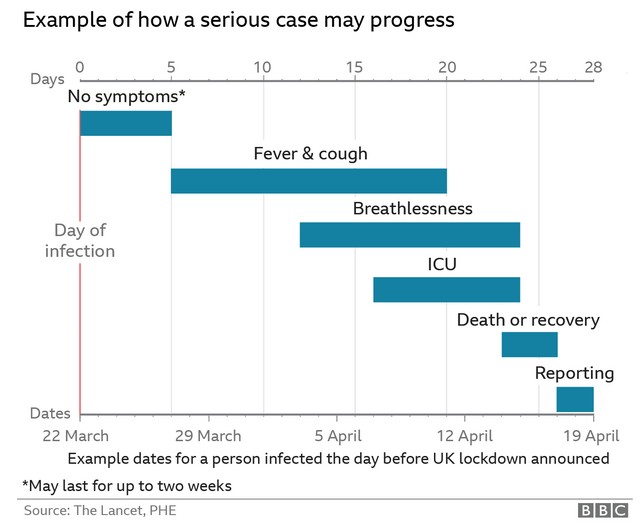
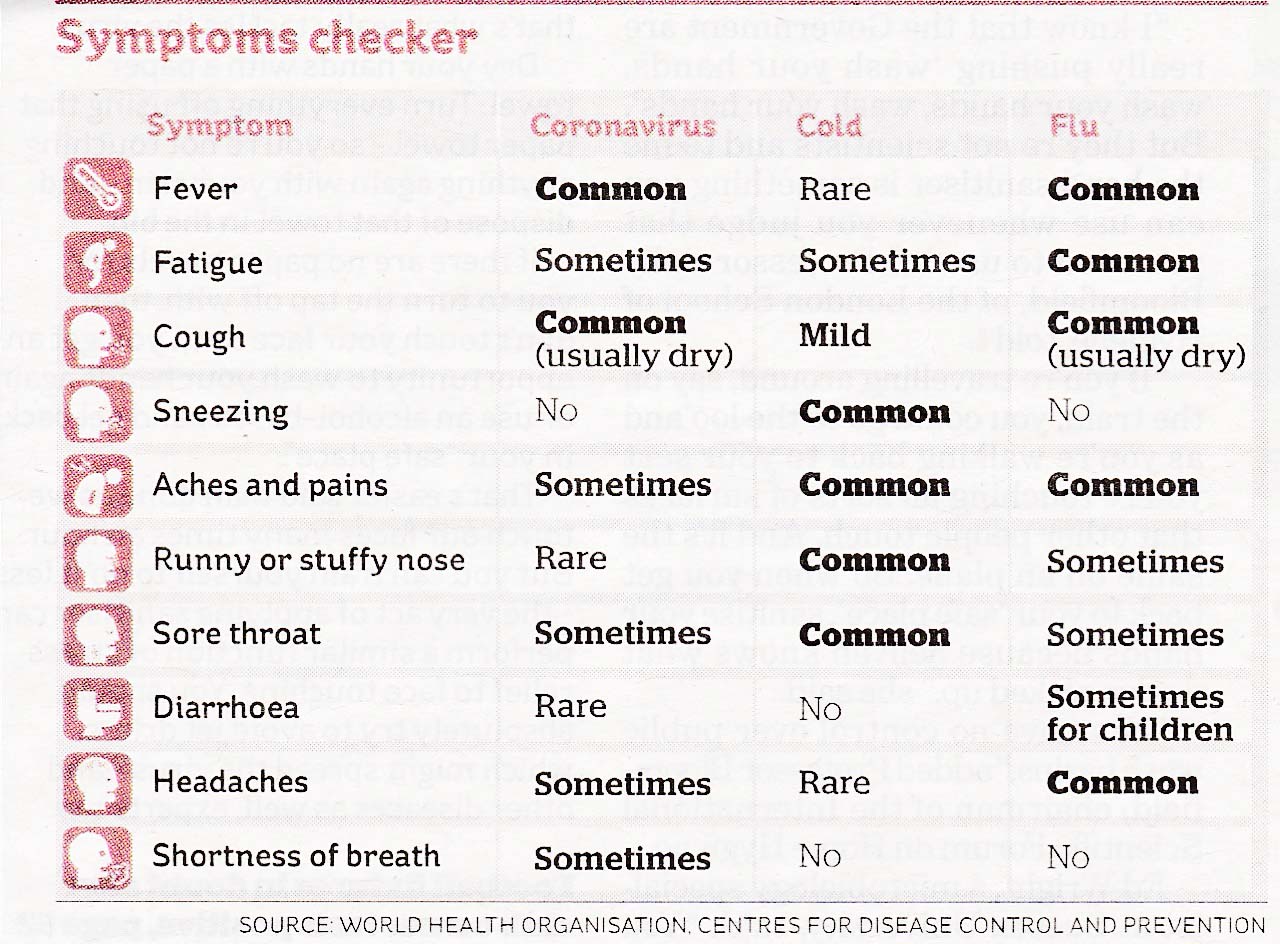
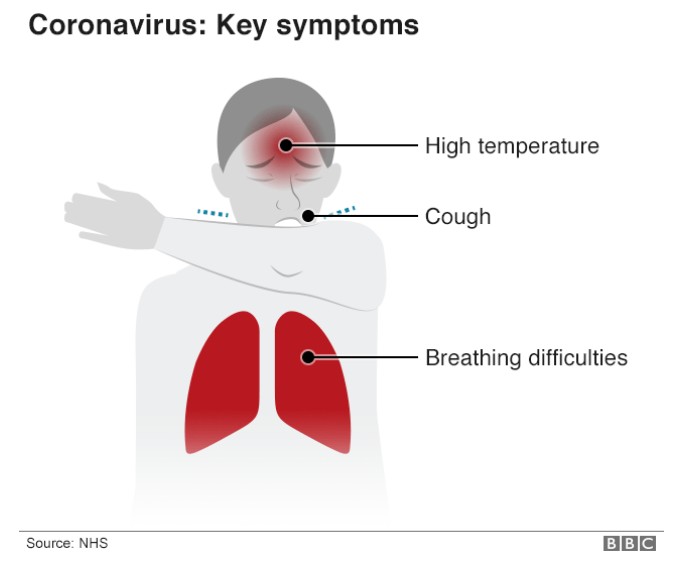
It starts with a fever. That is the most common symptom among patients infected by the Coronavirus pandemic sweeping the world.
The first symptoms, however, may not come right after a person has been infected. The virus' average incubation period is about five days. It probably becomes infectious somewhere in this stage, but this is not known for sure.
A study of nearly 140 patients at the Zhongnan Hospital of Wuhan University identified a typical pattern of symptoms associated with COVID-19. About 99% of the patients developed a high temperature, while more than half experienced fatigue and a dry cough. About a third also experienced muscle pain and difficulty breathing.
After the 5 day period and the symptoms are detectable the subsequent pattern is as follows.
Day 1: Patients run a fever. They may also experience fatigue, muscle pain, and a dry cough. A small minority may have had diarrhoea or nausea one to two days before.
Day 5: Patients may have difficulty breathing - especially if they are older or have a pre-existing health condition.
Day 7: This is how long it takes, on average, before patients are admitted to a hospital, according to the Wuhan University study.
Day 8: At this point, patients with severe cases (15%, according to the Chinese CDC) develop acute respiratory distress syndrome, an illness that occurs when fluid builds up the lungs. ARDS is often fatal.
Day 10: If patients have worsening symptoms, this is the time in the disease's progression when they're most likely to be admitted to the ICU. These patients probably have more abdominal pain and appetite loss than patients with milder cases. Only a small fraction die: The current fatality rate hovers at about 2%.
Day 17: On average, people who recover from the virus are discharged from the hospital after 2.5 weeks.
Once symptoms do appear, they can be similar to those of pneumonia. But Paras Lakhani, a radiologist at Thomas Jefferson University, told Business Insider that COVID-19 can be distinguished from pneumonia because of the way it worsens over time.
"Pneumonia usually doesn't rapidly progress," Lakhani said. "Typically, most hospitals will treat with antibiotics and patients will stabilize and then start to get better."
Coronavirus patients, however, can get worse even after they receive treatment such as fluids or steroids. One case study found that three days after a 33-year-old woman started receiving treatment at a hospital in Lanzhou, her case was more pronounced than when she arrived.
Added on 23/03/2020
Virus Detection:
The simplest way to distinguish Coronavirus from a Common Cold is that the COVID-19 infection does not cause a cold nose or cough with cold, but it does create a dry and rough cough.
The virus is typically first installed in the throat causing inflammation and a feeling of dryness. This symptom can last between 3 and 4 days.
The virus typically then travels through the moisture present in the airways, goes down to the trachea and installs in the lungs, causing pneumonia that lasts about 5 or 6 days.
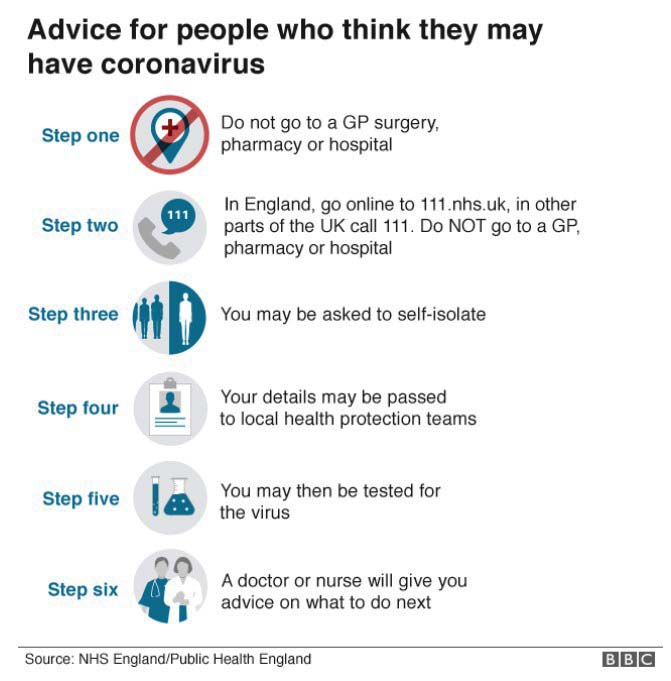
Pneumonia manifests with a high fever and difficulty breathing. The Common Cold is not accompanied, but there may be a choking sensation. In this case, the doctor should be called immediately.
Experts suggest doing this simple verification every morning: Breathe in deeply and hold your breath for 10 seconds. If this can be done without coughing, without difficulty, this shows that there is no fibrosis in the lungs, indicating the absence of infection. It is recommended to do this control every morning to help detect infection.
Prevention:
The virus hates heat and dies if it is exposed to temperatures greater than 80°F (27°C). Therefore hot drinks such as infusions, broths or simply hot water should be consumed abundantly during the day. These hot liquids kill the virus and are easy to ingest.
Avoid drinking ice water or drinks with ice cubes.
Ensure that your mouth and throat are always wet, never DRY. You should drink a sip of water at least every 15 minutes. WHY? Even when the virus enters water or other liquids through the mouth, it will get flushed through the oesophagus directly into the stomach where gastric acids destroy the virus. If there is not enough water, the virus can pass into the trachea and from there to the lungs, where it is very dangerous.
For those who can, sunbathe. The Sun's UV rays kill the virus and the vitamin D is good for you.
The Coronavirus has a large size (diameter of 400-500 nanometers) so face masks can stop it, no special face masks are needed in daily life.
If an infected person sneezes nearby, stay 10 feet (3.3 meters) away to allow the virus fall to the ground and prevent it from falling on you.
When the virus is on hard surfaces, it survives about 12 hours, therefore when hard surfaces such as doors, appliances, railings, etc. are touched, hands should be washed thoroughly and/or disinfected with alcoholic gel The virus can live nested in clothes and tissues between 6 and 12 hours. Common detergents can kill it. Things that cannot be washed should be exposed to the Sun and the virus will die.
The transmission of the virus usually occurs by direct infection, touching fabrics, tissues or materials on which the virus is present. Washing your hands is essential.
The virus survives on our hands for only about 10 minutes. In that time many things can happen, rubbing the eyes, touching the nose or lips. This allows the virus to enter your throat. Therefore, for your good and the good of all, wash your hands very often and disinfect them.
You can gargle with disinfectant solutions (i.e. Listerine or Hydrogen Peroxide) that eliminate or minimize the amount of virus that can enter the throat. Doing so removes the virus before it goes down to the trachea and then to the lungs.
Disinfect things touched often: mobile phone, keyboard, mouse, car steering wheel, door handles, etc ....
 Click here for a good article from New Scientist
Added 06/04/2020
Lockdown showing benefits

Stages of a serious attack